
Cactus & Succulent Soil Mix
When it comes to growing cactus and succulents, soil can make or break your plants. That said, there’s no single “perfect” mix that works for everyone. Climate, humidity, watering habits, pot type, and light levels all play a role. What works great for me may need tweaking for you.
This soil mix is what I personally use for my growing conditions. It’s been refined over time through trial, error, and a few lost plants along the way. Now available for you to use as well!
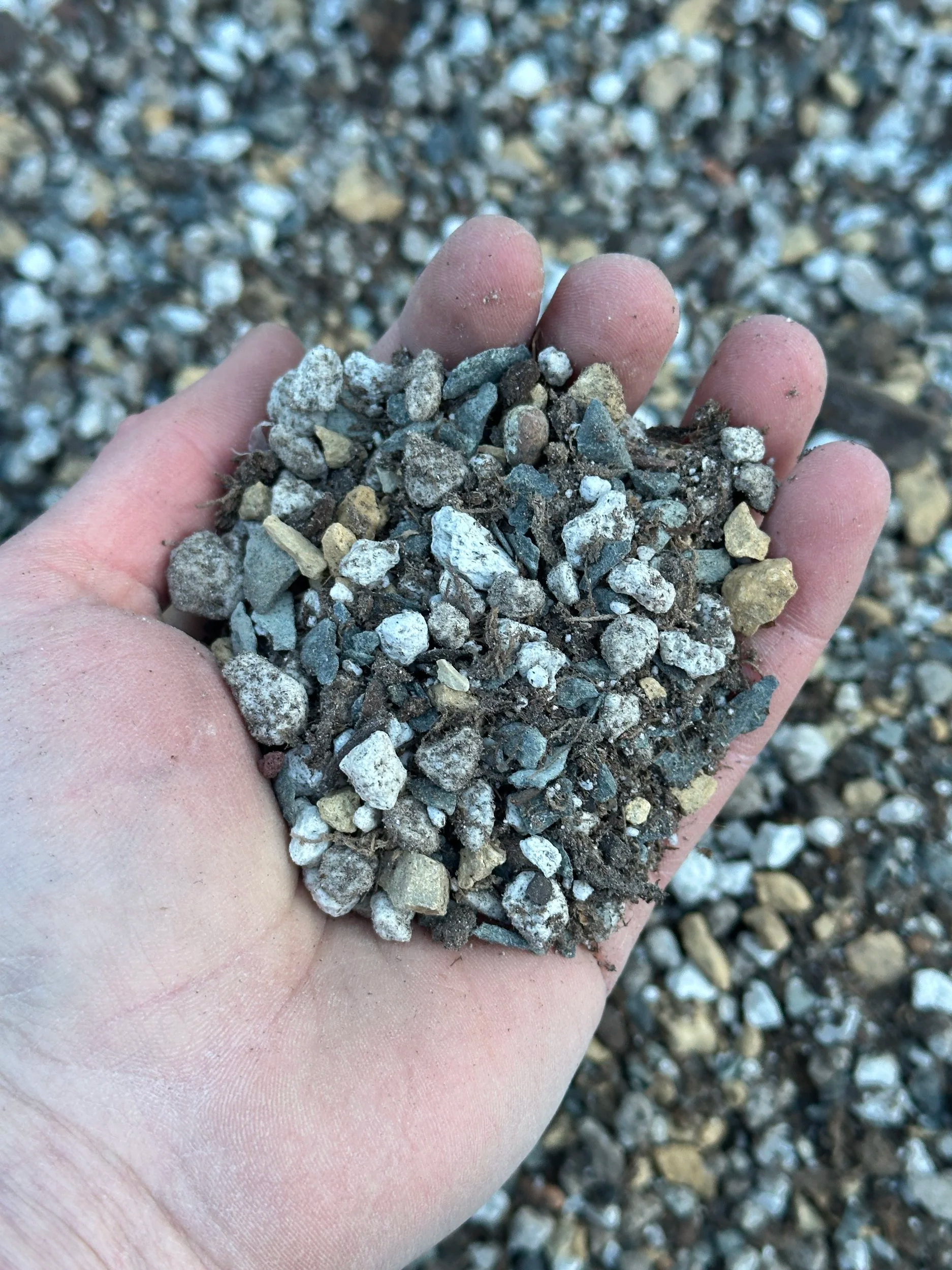
Dr. Kidz Desert Mix is a super fast-draining soil designed for cacti and succulents that hate wet feet. Made with 75-80%% inorganic materials and 20-25% organic material, this mix provides excellent airflow, drainage, and just enough nutrition to encourage strong growth. Hand-mixed and bagged by me, using the same recipe I grow with every day.
Bag Dimensions: 16”x12”x3”- Approximately 2.5 gallons.
The Basics of My Mix
My soil blend is approximately 80% inorganic and 20% organic. The goal is fast drainage, good airflow to the roots, and just enough organic matter to support healthy growth without holding excess moisture.
Organic Component (20%)
The organic portion is a high-quality potting soil. You want something consistent and well-balanced. Any good potting mix works here—the key is moderation. Too much organic matter is where most cactus and succulent problems start.
Inorganic Components (80%)
The inorganic portion provides structure, drainage, and long-term stability.
I use:
Pumice – lightweight, porous, and excellent for root aeration
Crushed granite – adds weight and prevents soil compaction as well as aeration
Limestone- Helps with aeration, structure and weight
Depending on availability, other good options include:
Perlite (lighter, holds a bit more air)
Sifted sand (make sure to remove the fines)
Vermiculite (holds more moisture—use sparingly)
Locally sourced small rocks or minerals
Clay Turface
What to Avoid
Not all rocks are created equal. Avoid smooth or shiny stones like river rock or polished gravel. These don’t retain moisture, don’t provide grip for roots, and tend to create empty air gaps where roots struggle to anchor.
Plants want texture. Roots need something they can grab onto.
Final Thoughts
Think of soil as a starting point, not a rulebook. Pay attention to how quickly your pots dry, how your plants respond, and adjust from there. If you live in a more humid climate, you may want even more inorganic material. If you’re in a hot, dry area, slightly more organic matter might work better for you.
This mix works for my environment and growing style—but the best soil is the one that works for yours.
